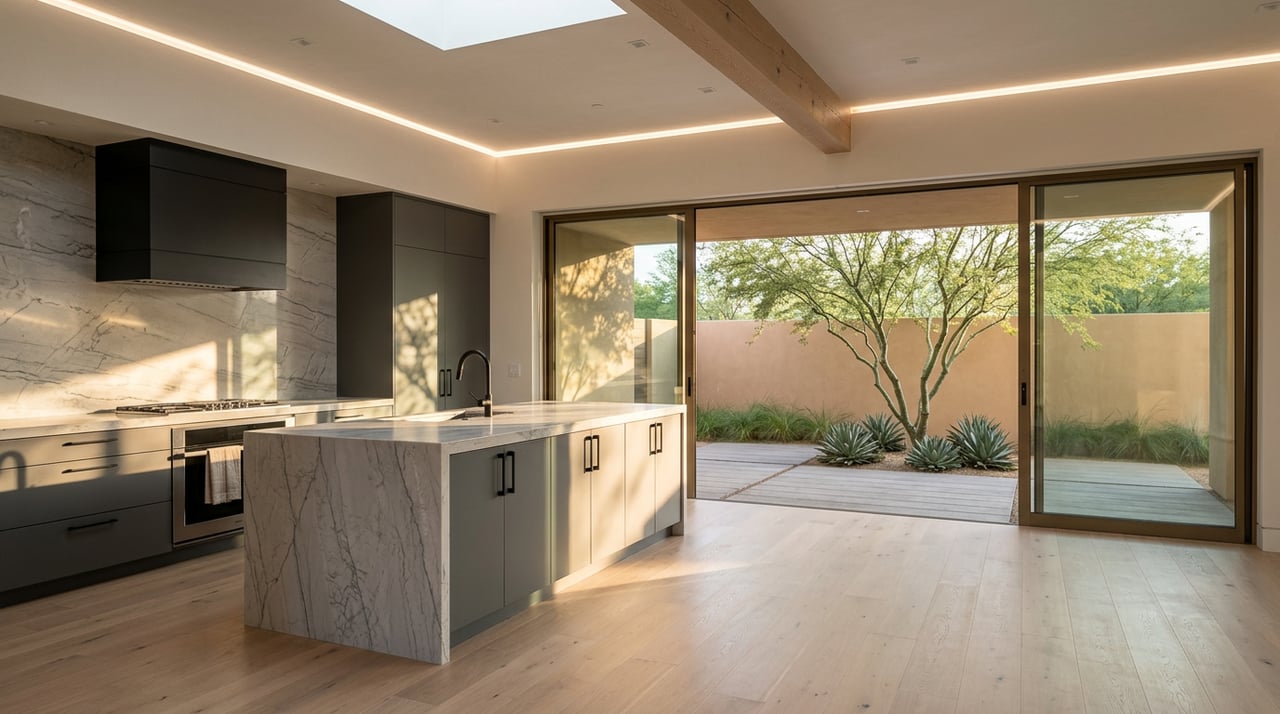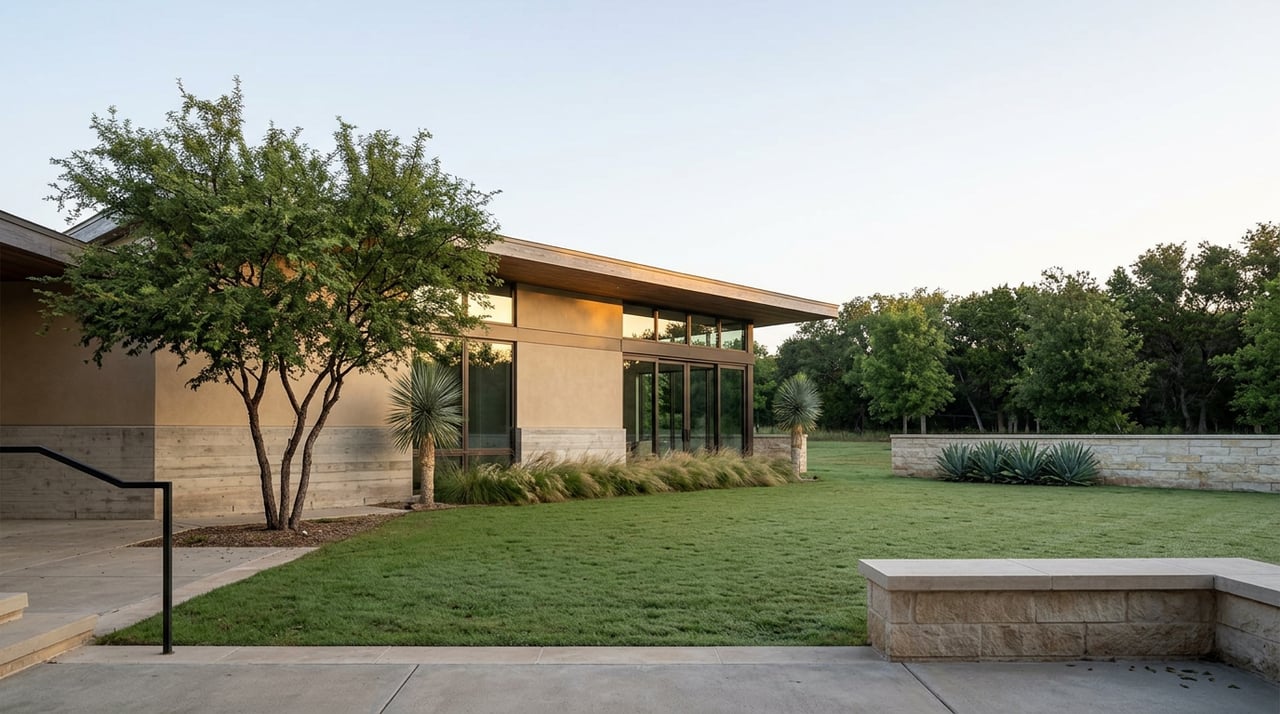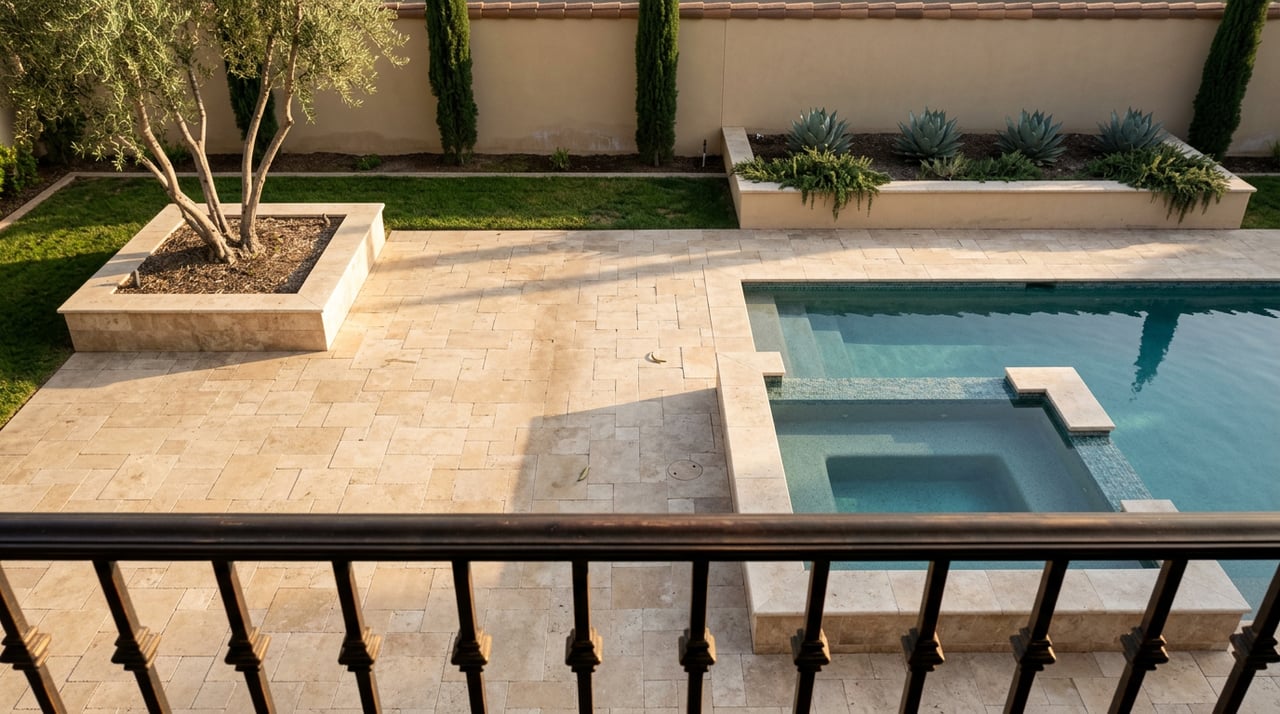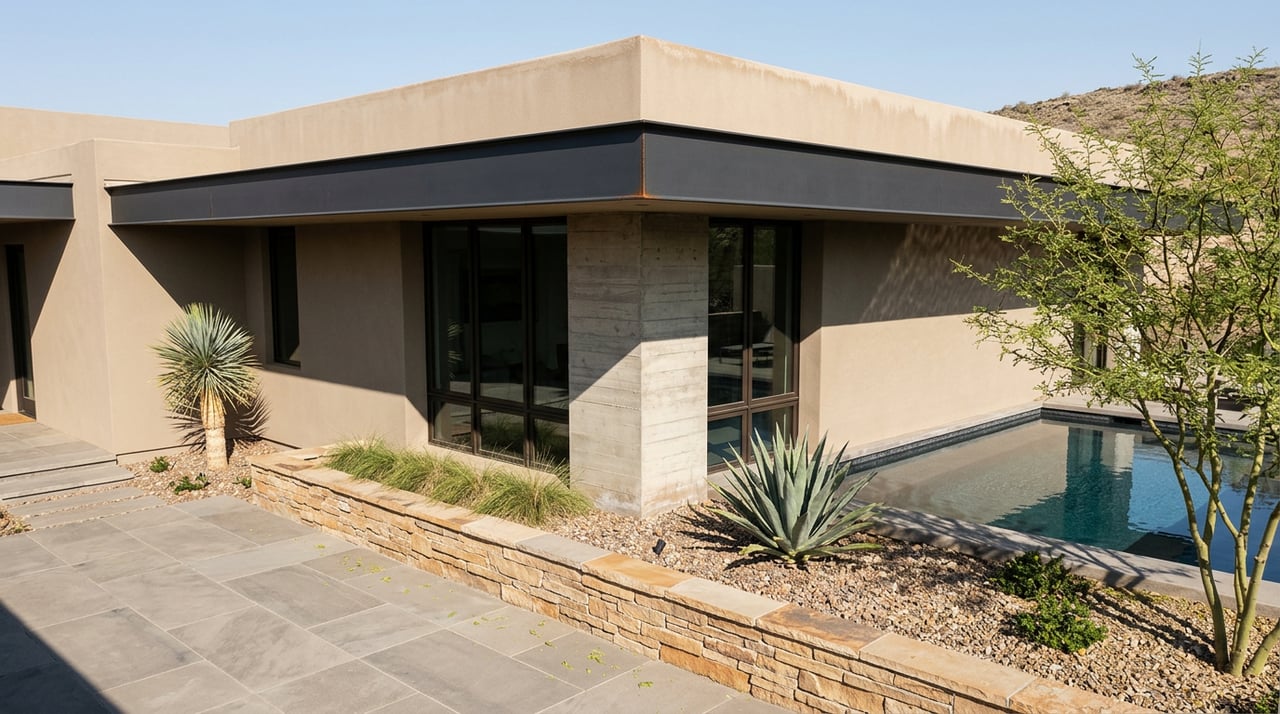
Mark Davis already has his house in Ascaya. The Raiders owner bought a 6.3-acre parcel in the community back in 2020 for $6 million and built a three-story home that echoes the lines of Allegiant Stadium, with Davis telling reporters in April 2026 that the project was close to finished. That same month, according to Clark County property records reported by the Las Vegas Review-Journal, he went out and bought four more adjacent lots spanning 19 acres for $38.75 million.
That is not the move of someone racing to build. It is the move of someone who has decided the land itself, not the house on it, is the asset worth holding. If you are weighing a lot purchase in Ascaya right now, that distinction matters more than the headline scarcity number everyone quotes.
The Number Everyone Quotes
Ascaya was always going to be finite. The community sits on roughly 660 acres of the McCullough Range and was platted for 313 custom homesites from the start. As of the first quarter of 2026, industry inventory tracking put the count of remaining available lots at 64, down from 142 in January 2024. That is a 55 percent reduction in just over two years, and it is the statistic that shows up in every conversation about the community's future.
It is also, on its own, the wrong number to build a decision around. A shrinking lot count tells you the community is filling in. It does not tell you what happens between the day you close on a lot and the day you actually own a finished house.
The Clock Nobody Mentions
Ascaya requires Architectural Review Committee approval before a buyer can pull permits, and custom builds in the community typically run 18 to 36 months from that approval to completion. That is not unusual for a hillside enclave with strict design standards. What is worth sitting with is what it means layered against the sellout math above.
At the absorption rate implied by the drop from 142 to 64 lots, the community is on pace to sell through its remaining inventory somewhere between mid-2027 and early 2028. A buyer who closes on a lot today and clears ARC approval this fall is looking at a completion date that lands right around the same window the last lots in Ascaya are expected to be gone. You are not just buying land. You are entering a race between your own construction timeline and the community's own closing chapter, and the second clock does not wait for the first one.
That has real consequences for how the finished product gets valued. A house that completes while Ascaya still has active lot inventory competes against buyers who have the option to build their own. A house that completes after the community sells out competes only against existing resale stock, in a market where the supply of anything, land or house, has permanently stopped growing.
What Davis's Bet Actually Tells You
Someone who already lives in Ascaya, already worked through the ARC process once, and already knows exactly how the build timeline behaves in that terrain is not a typical buyer. When that buyer chooses to acquire four more lots rather than sell them off or leave them to the open market, it reads less like a builder's move and more like a position on where land value goes once the inventory clock hits zero.
That does not mean every buyer should try to replicate a $38.75 million land purchase. It means the signal is worth separating from the noise. The person with the most information about how this specific community behaves is choosing to hold undeveloped land rather than build on it immediately, which suggests the value he is underwriting is in the scarcity of the dirt itself, not in adding another finished house to inventory before the window closes.
The Math When You Run It
For a buyer actually planning to build, the numbers from the first quarter of 2026 lay out the trade cleanly. Lot-only sales in Ascaya averaged $2.1 million, ranging from $1.2 million to $4.4 million depending on elevation and view exposure, with those transactions taking an average of 142 days to close. Completed home sales in the same period averaged $7.8 million, ranging from $4.1 million to $24 million, and took an average of 198 days on market.
Run a typical buy-lot-and-build path and the total exit basis lands somewhere between $6.6 million and $10.1 million, using $2.1 million in land plus a construction cost of roughly $1,000 per square foot on a 4,500 to 7,500 square foot home. That range sits close to, and often below, the $7.8 million average resale price for completed homes in the same quarter.
| Path | Typical Cost Basis | Timeline to Finished Home |
|---|---|---|
| Buy lot, then build | $2.1M land + $4.5M-$8M construction | 18-36 months after ARC approval |
| Buy a completed home | $4.1M-$24M, averaging $7.8M | Immediate, subject to inspection and closing |
The arithmetic favors building only if the design and finish quality clear the bar buyers in this community expect. A well-executed custom home in Ascaya has generally resold above its land-plus-construction cost. A build that skimps on design or view orientation risks landing below what a comparable finished home would have cost to simply buy today, after absorbing two to three years of carrying costs, HOA dues, and construction risk along the way.
Where the Market Sits Right Now
As of mid-August 2026, active listings in Ascaya numbered around 15 homes, carrying a median list price close to $9.7 million and an average of roughly 191 days on market. Land listings told a similar story: about 18 lots were on the market with a median asking price near $8.9 million, and only two properties in the community had sold in the preceding month.
Those figures point the same direction as the Q1 data. Inventory on both the land side and the finished-home side is thin, days on market remain long by typical residential standards, and the pace of actual closings is slow relative to what is listed. That combination is consistent with a market where sellers are not desperate and buyers who want to transact have to be patient, whether they are buying dirt or a finished house.
The build pipeline adds a second layer to that picture. As of April 2026, the community reported roughly 92 completed homes, 31 more under construction, and 32 in architectural review, meaning around 155 lots were somewhere in the building process. Measured against the roughly 249 lots already sold out of the original 313, that leaves close to 90 sold lots sitting on owners' books with no build yet underway. Davis's newly acquired parcels fall into exactly that category. He is far from the only owner in Ascaya treating land as something to hold rather than something to build on right away.
Frequently Asked Questions
How many lots are actually left in Ascaya today? As of the first quarter of 2026, roughly 64 of the original 313 homesites remained unsold, and land listing activity through August 2026 suggests that count continues to shrink as homes move from architectural review into construction.
Does buying a lot guarantee a lower total cost than buying a finished home? Not automatically. Running the land price against typical construction cost per square foot often lands close to, or above, what comparable finished homes sold for in the same quarter. The savings, if any, depend heavily on build quality and how the finished home compares to move-in-ready resale stock at completion.
What does Architectural Review Committee approval actually add to a timeline? ARC approval is required before permitting can begin, and it sits ahead of the 18 to 36 month construction window rather than inside it. Buyers should plan for that review period as a distinct phase, not something absorbed into the build schedule.
Is now a good time to buy in Ascaya, land or finished? That depends on whether a buyer's priority is design control or certainty of timeline. A finished home avoids the two clocks described above entirely. A lot purchase offers the chance to build exactly what a buyer wants, but only for someone prepared to move through ARC approval promptly and build on a schedule that respects how little runway the community has left.
Ascaya rewards buyers who understand exactly which clock they are racing, whether that is the community's own sellout timeline or the design review calendar standing between a lot purchase and a finished home. Working through that math with someone who tracks this specific market closely, rather than a general Henderson overview, is the difference between a smart custom build and an expensive lesson.
If you are weighing a lot purchase against a finished home in Ascaya, or comparing it to other guard-gated Henderson communities, Kaori Luxury Real Estate can walk through the current inventory, the ARC process, and the real cost math side by side. Let's Connect: Start Your Concierge Home Search.